How Much Does It Cost to Move a 1-Bedroom Apartment or Condo in Toronto? | G&T Moving Blog
A local 1-bedroom apartment or condo move in Toronto with G&T Moving starts at $200: two movers and a 17 ft truck at $100 per hour, with a 2-hour minimum, before the fuel and travel surcharge. After the minimum, time is billed in 30-minute steps, so each extra half hour adds $50 for that crew.
That is the floor, not the quote. Whether a small move finishes at the minimum or runs longer depends far less on how many boxes you own than on the building: the elevator booking, the loading bay, the stairs, and how far the truck has to park from the door. This guide walks through the arithmetic and then the things that move the total.
Key Takeaways
- Rates are hourly for the crew and truck together: $60/hour for one mover with a pickup truck, $100/hour for two movers with a 17 ft truck, $145/hour for three movers with a 17 ft truck.
- Every local job has a 2-hour minimum, then 30-minute increments. Time starts when the truck arrives at your scheduled address.
- A fuel and travel surcharge is added on top, based on vehicle, distance, and the actual job locations. E-Transfer payments are subject to tax; cash is accepted, and an official invoice is available.
- In a condo or apartment tower the schedule is set by the building: service elevator window, loading bay rules, and sometimes a certificate of insurance. Sort these out before you book the truck.
- Sofas, beds, and anything that will not fit the elevator or a stair turn are what stretch a small move. Mention them when you ask for the quote.
What a Small Move Looks Like On the Day
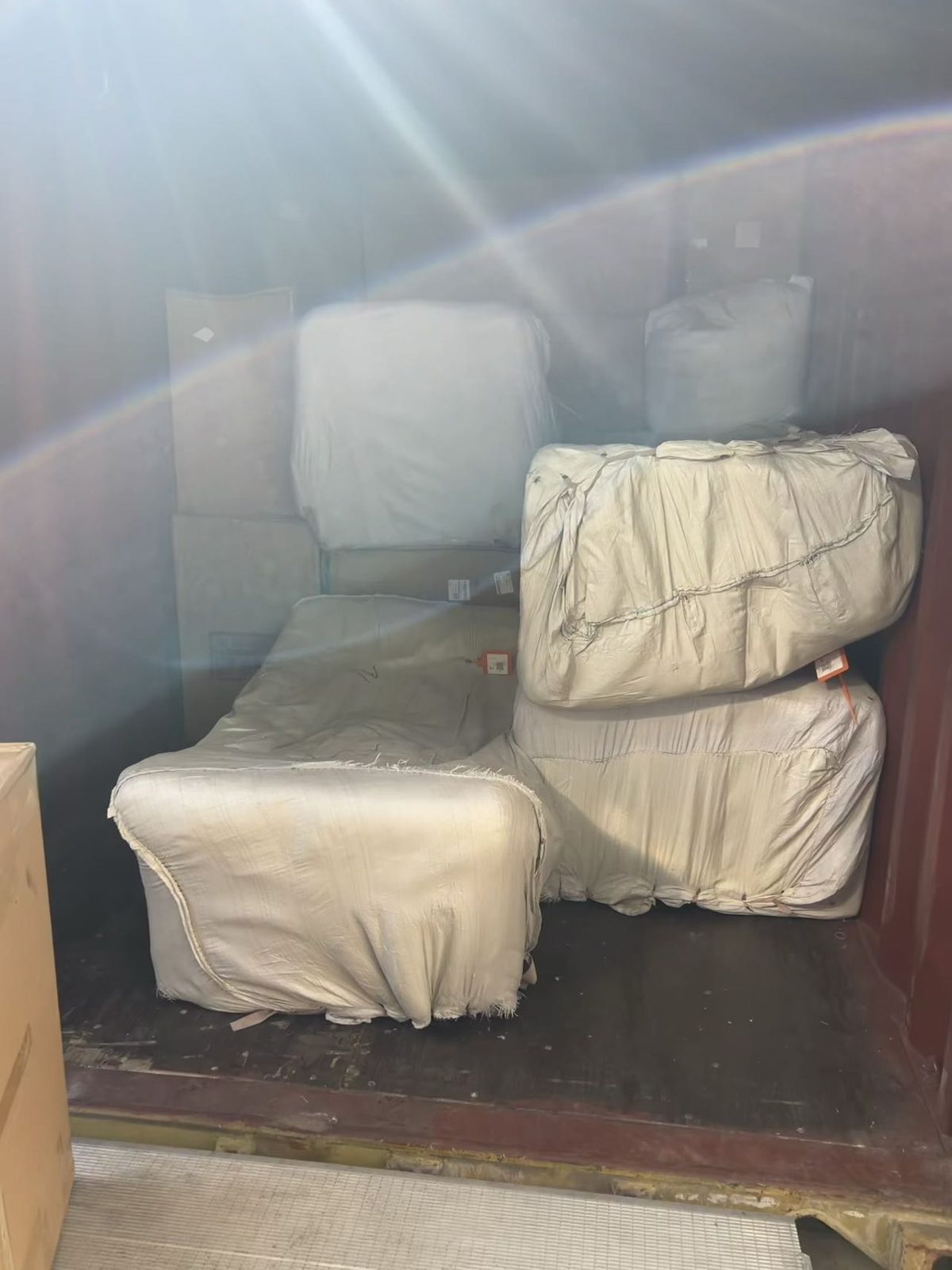
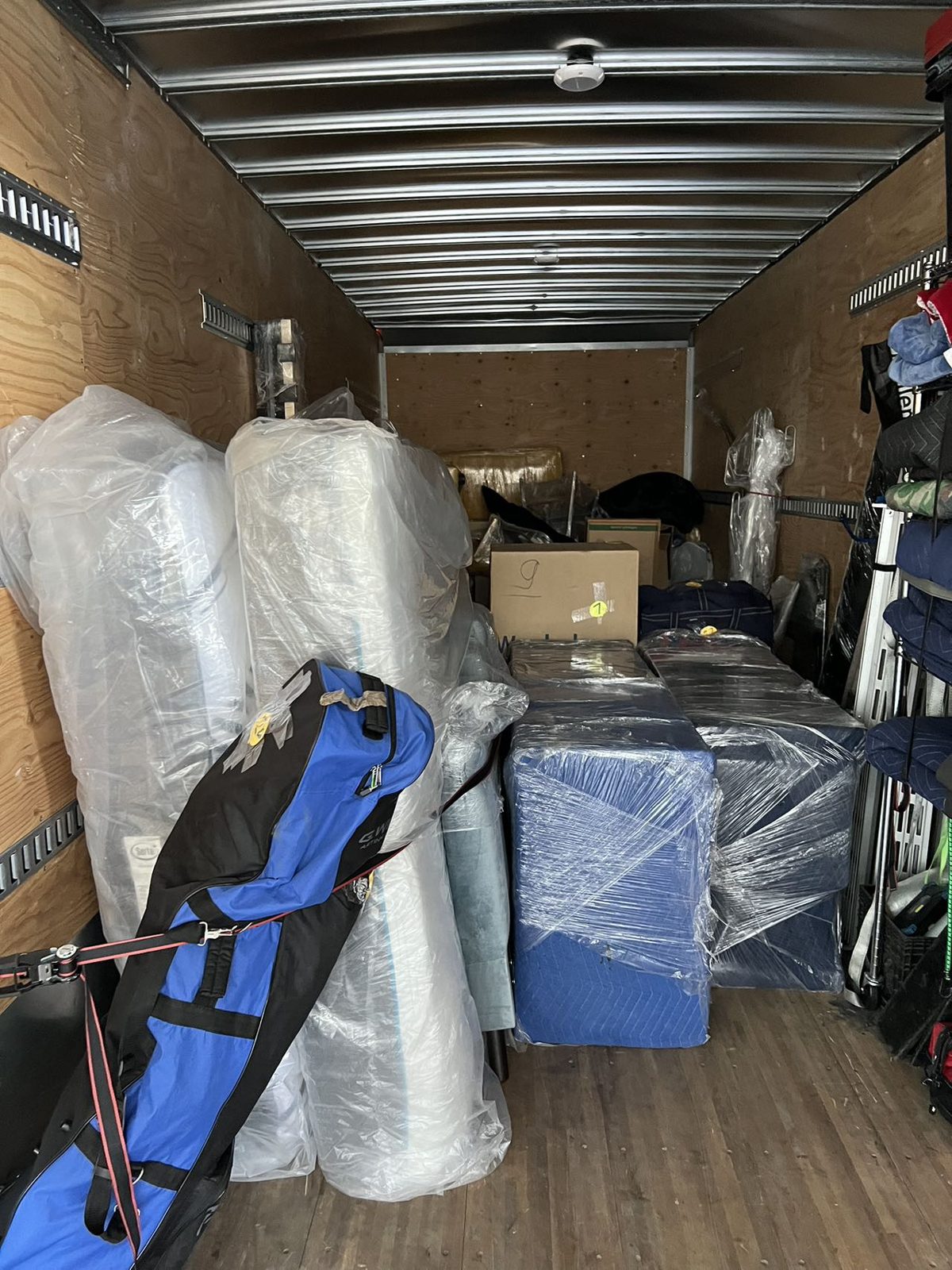
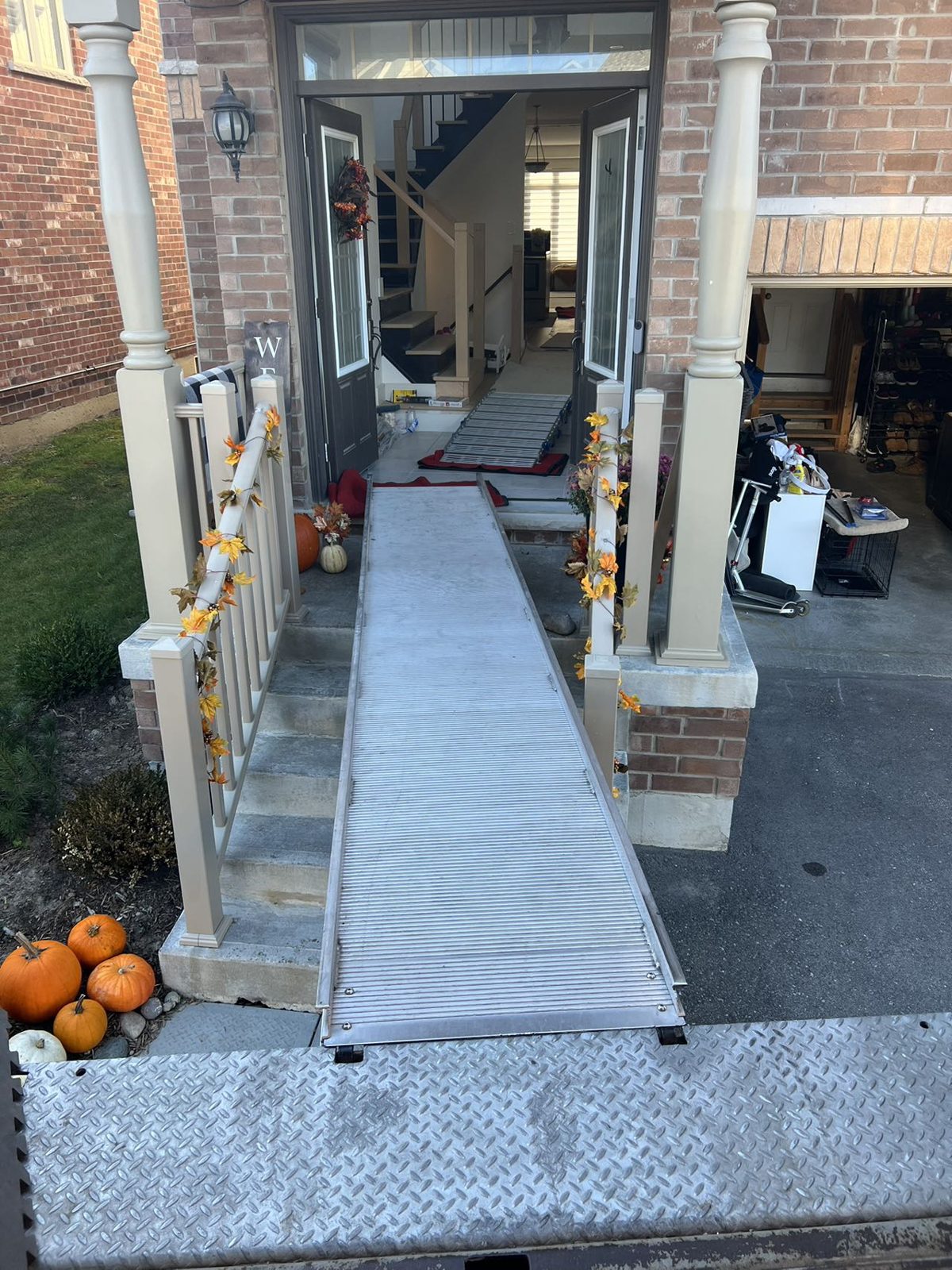
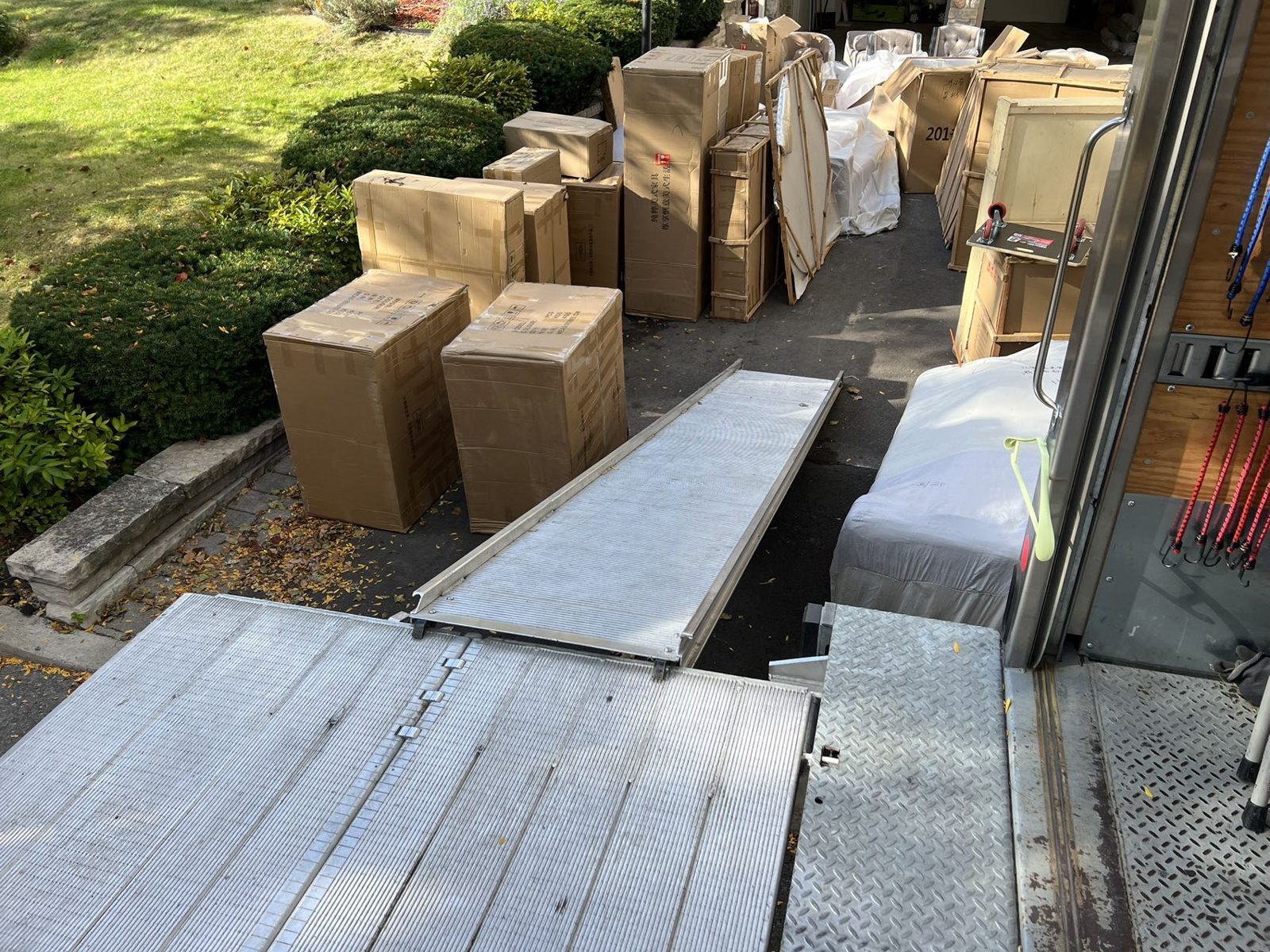
Furniture wrapped before it leaves the unit, a loaded truck, and a clear path from the door to the truck. Those three things are most of what keeps a small move short.
The hourly math for a 1-bedroom move
Local moving in Toronto and the GTA is billed by the hour for the crew and the truck together. The table below is arithmetic on our published rates. It is not a promise about how long your move takes, because that depends on your building and your furniture.
For a typical 1-bedroom, two movers with a 17 ft truck is the standard starting point. A third mover is worth considering when there is a staircase with a turn, a heavy sectional, or a long carry.
- Two movers, 17 ft truck, $100/hour: $200 for 2 hours (the minimum), $300 for 3 hours, $400 for 4 hours.
- Three movers, 17 ft truck, $145/hour: $290 for 2 hours, $435 for 3 hours.
- One mover, pickup truck, $60/hour: $120 for 2 hours. This only suits a very small load with no heavy furniture and easy access.
- Add the fuel and travel surcharge to any of these. It is confirmed in your quote because it depends on the distance between the two addresses and where we dispatch from.
Why a small move can still run long: the building
In a house, the main variables are the driveway and the stairs. In a condo or apartment tower there is a third one, which is the building itself. Most Toronto condos need a booked service elevator window, a loading bay, and floor and wall protection in the corridors. Some also ask for a certificate of insurance before the day.
These are straightforward to arrange. They just have to be confirmed ahead of time, because on the day the building sets the schedule, not the crew. A move that has to wait for the elevator or carry everything the long way round is billed for that time like any other.
Older rental towers often have smaller freight elevators and longer corridors from the unit to the lift. Newer downtown condos usually have a dedicated loading dock, but it can be shared with other residents and has a height limit for the truck. Ask building management for the exact entrance, the booking window, and the height clearance before you pick a date.
Stairs, walk-ups, and the carry from door to truck
A third-floor walk-up and a twentieth-floor unit with a working elevator can cost about the same, because the walk-up has to be carried by hand while the elevator unit is waiting for the lift. Count the flights, and note whether any of them has a turn. A turn is where crew size is decided.
Then measure the carry from the building door to where the truck can actually park. Low-rise complexes with outdoor walkways, or rear-lane access where the truck cannot enter the lane, can add more time than the floor you live on.
The sofa, the bed, and the one big item
On a 1-bedroom move the boxes are rarely the issue. The sofa, the bed frame, a wardrobe, or a large TV is what decides how smoothly the carry goes. Sectionals and large sofas often have to be turned, tilted, or partly taken apart to get through a stair turn or into an elevator.
Basic disassembly and reassembly for beds, tables, and shelving can usually be arranged when it is mentioned at booking. We wrap furniture in plastic film before it leaves the unit, which protects the piece and the building corridor, and colour-code items to rooms so nothing gets carried twice at the new place.
Pianos, safes, marble or glass pieces, large appliances, and single items over about 200 lb may carry an extra charge and need the right equipment. Tell us about them up front.
Packing: do it yourself, or tell us early
Most small moves are packed by the customer before the crew arrives, and that is what keeps the hours down. If you want packing help, say so when you request the quote so that time is planned rather than added on the day.
Boxes that are sealed, labelled by room, and stacked near the door save more time than any other single thing you can do before the truck arrives. Clear the path to the elevator and the loading bay too.
What to send for an accurate quote
You can get a real number instead of a range by sending the details that decide the hours. A few photos and both addresses are usually enough.
- Both addresses, the floor at each end, and whether each is a condo, apartment tower, townhouse, or house.
- Elevator booking window, loading bay rules, and garage height clearance if the bay is underground.
- Stairs: how many flights, and whether there is a turn.
- Your largest items, with photos: sofa or sectional, bed, wardrobe, anything over about 200 lb.
- Whether you want packing help or assembly and disassembly.
- Your target date, and whether it is flexible. A flexible date helps the building booking and the crew schedule.
How to book
Send the details above through the quote form or call, and we reply with the crew size, the hourly rate that applies, and the surcharge. The full rate card, billing rules, and nursing home discount are on the pricing page, and our moving service page covers what is included in a residential move.
Testimonials
Real customer reviews
If you are planning a move, piano job, or heavy-item delivery, these reviews give a better sense of the real service experience.
“We moved a four-bedroom home from Toronto to Ottawa, including a piano, and everything arrived safely. The crew was professional, punctual, careful, and made the whole move feel far less stressful.”
Jackson G.
Long-distance house move with piano
“The team arrived on time, worked efficiently, handled our belongings with care, and kept communication clear from start to finish. The whole process was smooth and stress-free.”
Yaya H.
Smooth and efficient moving day
“They worked efficiently without wasting time, had a great attitude, and offered a very reasonable price.”
Wendy X.
Fast service with fair pricing