Office Move With Furniture Installation, Electrical & IT Setup: One Crew or Four? | G&T Moving Blog
Most office moves need four trades: movers, a furniture installer, an electrician, and someone to reconnect the computers. G&T can cover all four with one crew — general installers for furniture, a licensed electrician with more than 10 years of experience, and an IT crew — so the space is working the morning after the move instead of a week later.
When those trades are booked separately, the move itself usually goes fine. The trouble is in between: desks delivered but not assembled because the installer comes Tuesday, workstations assembled but no power because the electrician needed the furniture in place first, computers on desks but nobody booked to plug them in. This guide walks through each piece and how to sequence it.
Key Takeaways
- Furniture: workstations, benching, cubicle panels, boardroom tables, and shelving taken apart at the old space and assembled at the new one.
- Electrical: power to workstations, fixtures, and equipment by a licensed electrician with 10+ years of experience. Licence details available for your landlord.
- IT: your own team disconnecting and labelling is cheapest. If you want us to do it, the IT crew is $200 per hour.
- Sequence matters: furniture in place, then electrical, then IT. One crew can run that order without waiting days between trades.
- Tell us everything at quote stage. Installation raised on the night costs extra time.
From Packed to Working
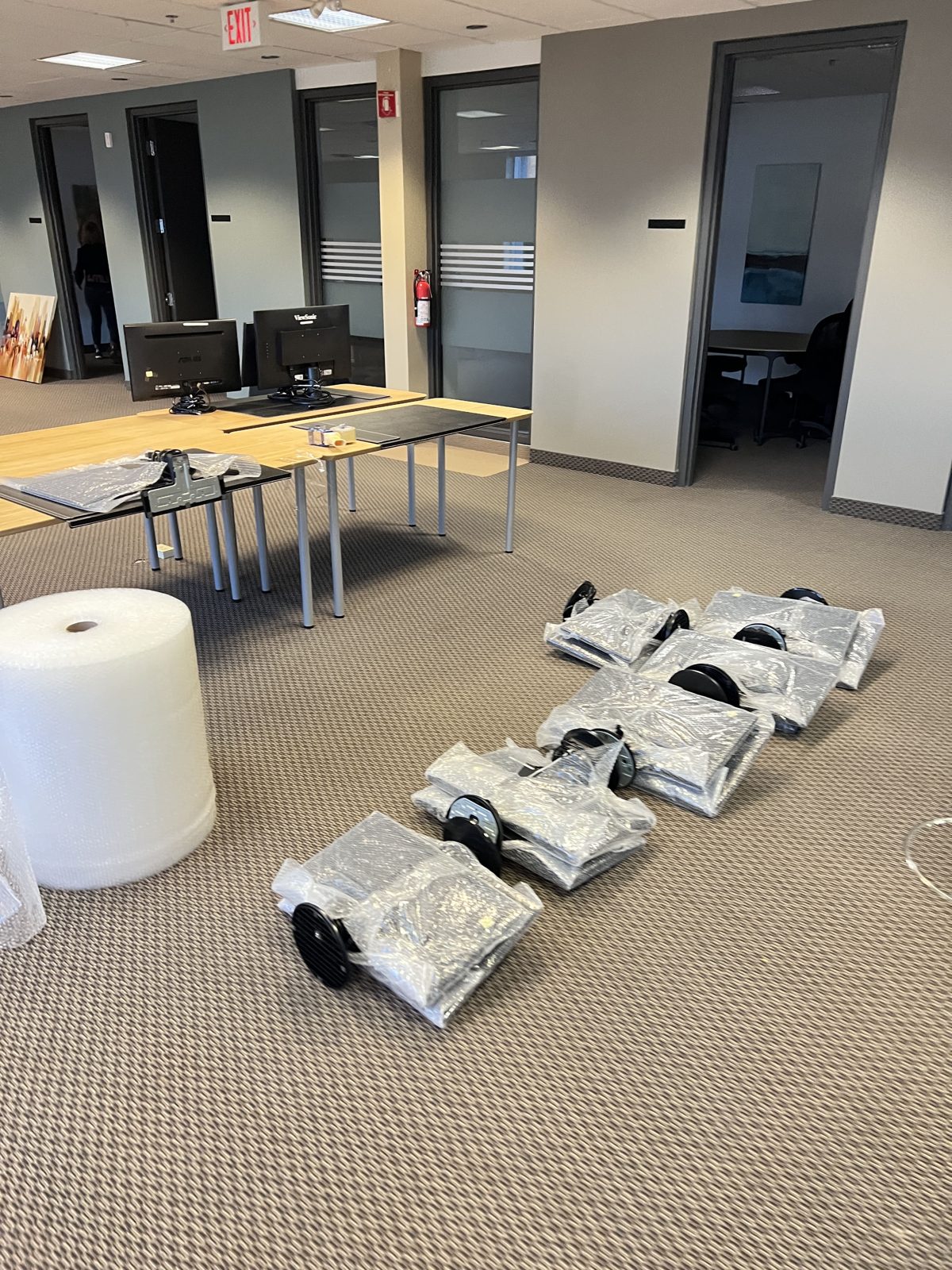
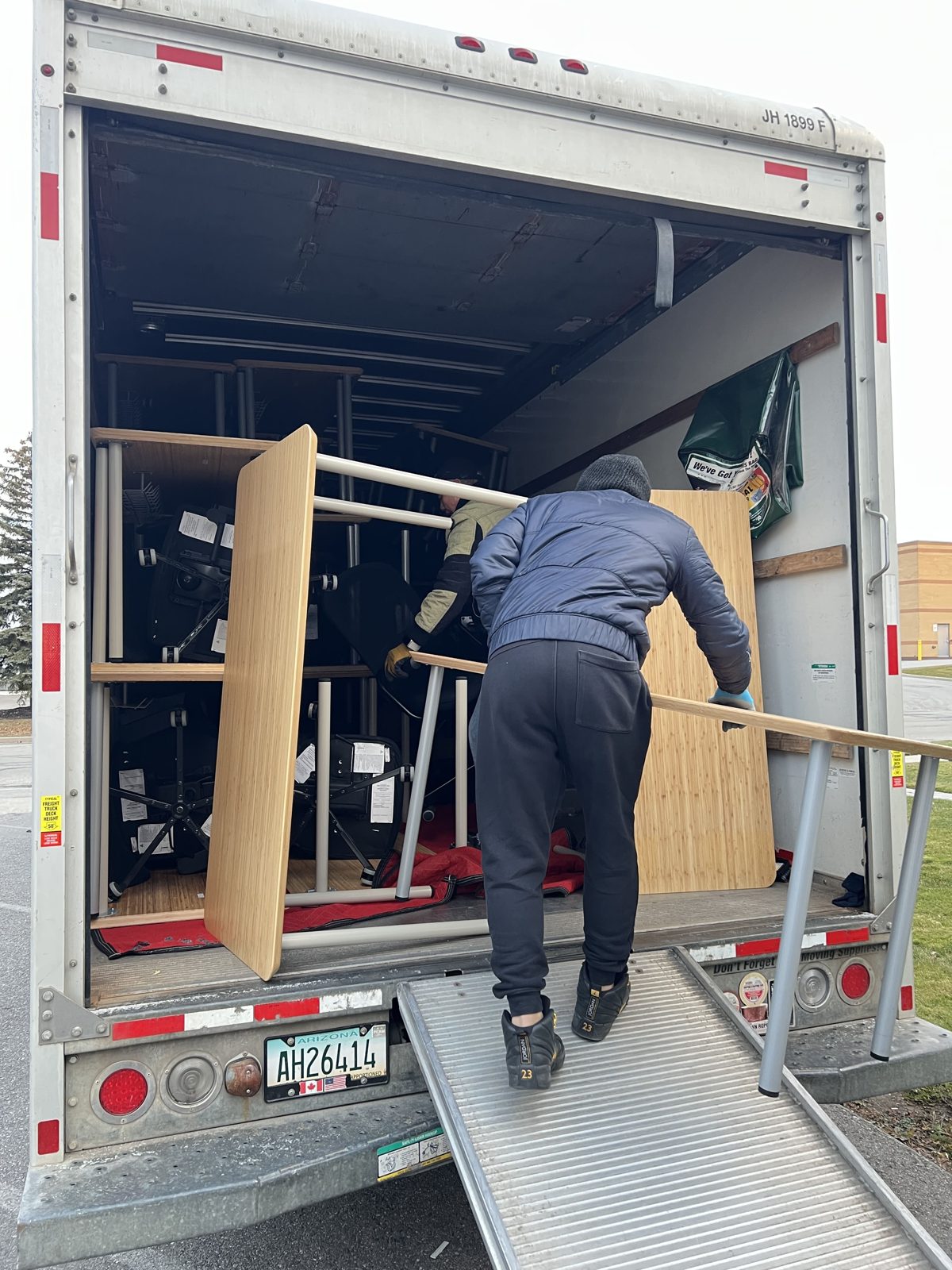
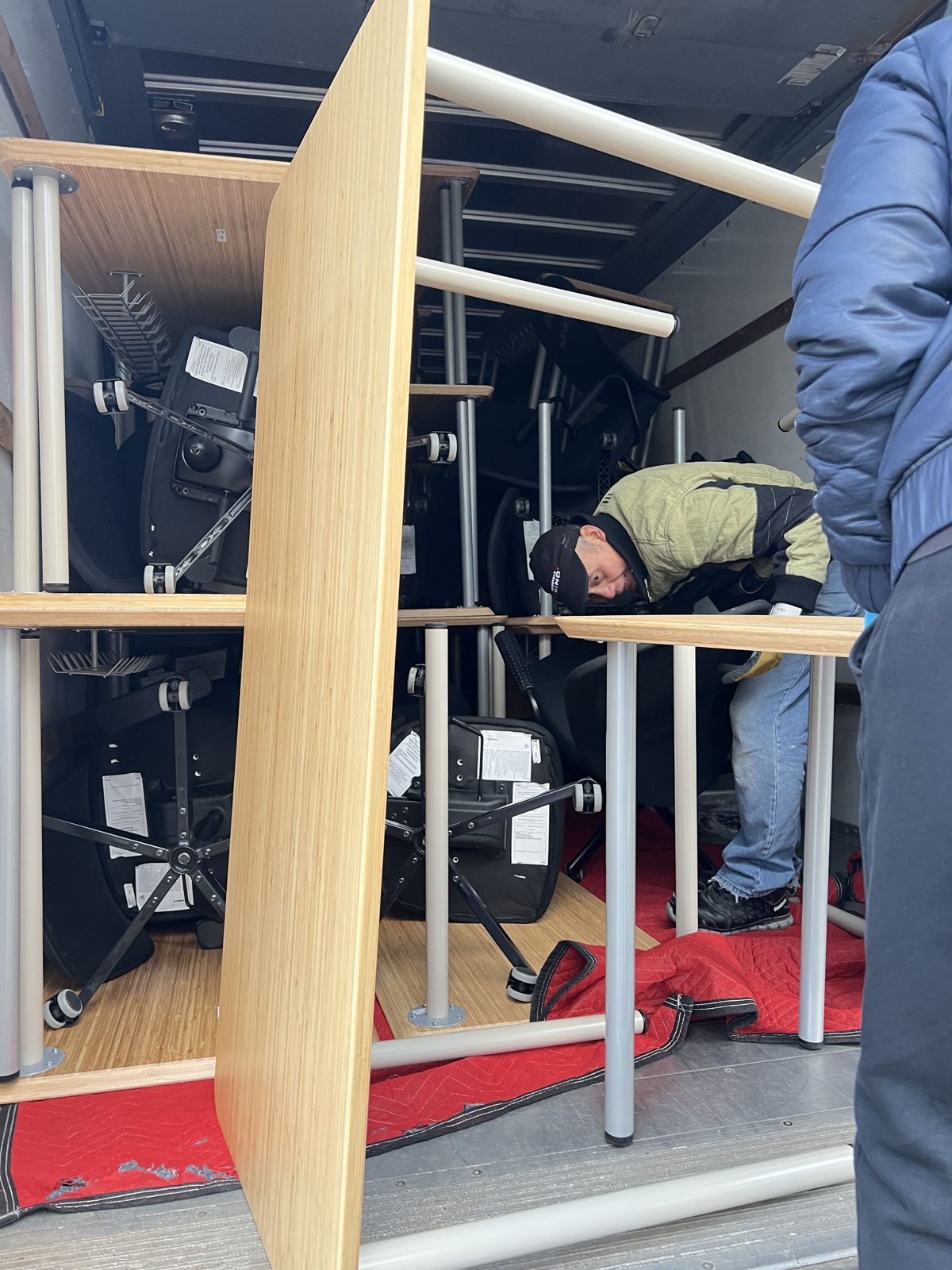
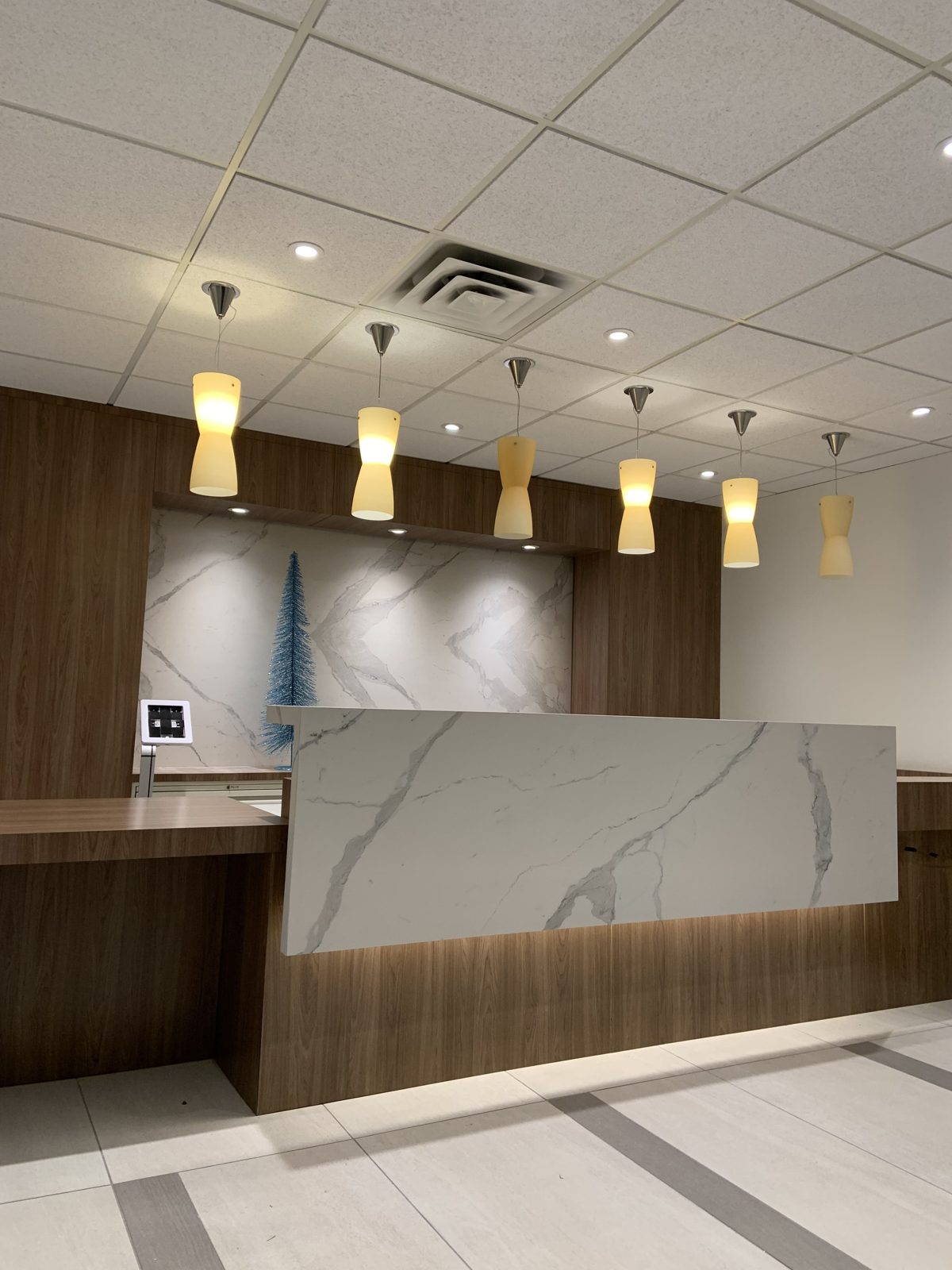
Monitors wrapped and laid flat, desks apart and loaded, every piece secured in the truck, and the reception counter set up at the new address.
The four trades in an office move
Moving is the part everyone plans for. But a modern office is mostly systems furniture, power, and computers, and each of those has its own trade.
- Furniture assembly and installation: Workstations, benching, cubicle panels, desks, boardroom tables, shelving, and chairs taken apart at the old space and assembled at the new one by our general installers — or new furniture assembled straight out of the box.
- Licensed electrical work: A licensed electrician with more than 10 years of experience handles the electrical side: power for workstations, fixtures and lighting, and equipment hook-ups. Licence details are provided on request for your landlord or property manager.
- IT setup and teardown: Computers, monitors, printers, and peripherals disconnected, labelled, wrapped, moved, and set back up at each desk. Basic network and cable tidying included when booked.
- Racking, fixtures, and wall-mounted items: Warehouse racking and shelving installed, retail fixtures put back together, and TVs, whiteboards, and signage mounted once the furniture is in place.
Furniture assembly and installation
Most workstations do not fit through a door or into an elevator whole, and benching systems almost never do. They are taken apart at the old space, hardware bagged and labelled per desk, and rebuilt at the new one in the positions on the floor plan.
The same applies to new furniture. If the company is buying new desks or chairs for the new office, they can be delivered there and assembled by the same crew on the same night, instead of sitting in boxes for a week while a separate installer is booked.
Tell us at quote stage which pieces come apart and roughly how many. Assembly time is real time, and it is much easier to plan the crew around it than to discover it at 11 pm.
Licensed electrical work
In Ontario, electrical work in a commercial space should be done by a licensed electrician, and most landlords will ask who is doing it. Our electrician has more than 10 years of experience and licence details can be provided to your property manager on request.
Typical work during an office move includes power to workstations and benching, connecting powered furniture, lighting and fixtures, and hook-ups for kitchen or specialty equipment. Anything that needs a permit or landlord approval is raised before the move date, not on the night.
IT setup and teardown
For most offices we recommend your own team disconnects the equipment and labels the cables and machines with stickers before move day — nobody knows your setup better, and it is the cheapest way to do it. We then wrap, transport, and place the hardware. If you would rather we handled disconnection, cable management, and packing, our IT crew does that work at $200 per hour.
Either way, the hardware is wrapped and transported the same way: monitors individually wrapped and laid flat, towers and laptops boxed, cables bagged with the machine they belong to. At the new space each machine goes to its labelled desk. If you have racked servers or network equipment, flag it early — it changes handling and sometimes the truck.
Why the order matters
The sequence on move night is almost always the same: furniture in and assembled, then power, then computers. An electrician cannot finish workstation power until the desks are standing, and IT cannot test machines until the power is live.
With four separate contractors, each one waits for the previous one, and those waits are usually measured in days. With one crew the handover happens inside the same window, and the person running the job can move people between tasks when one part runs ahead.
One point of contact for company assets
Commercial jobs are led on site by the owner, not handed to a dispatcher. You have one direct number from the walk-through to the last piece placed, and someone answers it during the move — including at midnight. The crew is our own team, working to written rules: assigned roles, items inventoried and tagged before they leave the floor, nothing opened or set aside without the client’s say-so, and every area walked again before we leave. Your furniture, equipment, and records are treated as company assets, because that is what they are.
We carry commercial business, public liability, and cargo and transport insurance, and a certificate of insurance is issued right away — send us the building’s certificate holder wording and coverage requirements and it goes out the same day, not on the morning of the move.
Malls, retail units, and after-hours installs
Retail fit-outs and mall units have the same four trades plus fixtures and signage, and they are usually restricted to evening hours. Many malls, plazas, and office towers will not let a mover in until after 6 pm, and some not until 9 pm, once tenants and shoppers have left. That is routine for us: commercial crews can work through to 2 AM, so a store or office can close at the end of the day and open the next morning in the new space or with the new layout.
Get a combined quote
Send the item list, the floor plan for the new space, and a note of what needs assembling, wiring, or setting up. We quote the move and the installation together. Our office and commercial moving page has the full rates.
Testimonials
Real customer reviews
If you are planning a move, piano job, or heavy-item delivery, these reviews give a better sense of the real service experience.
“We moved a four-bedroom home from Toronto to Ottawa, including a piano, and everything arrived safely. The crew was professional, punctual, careful, and made the whole move feel far less stressful.”
Jackson G.
Long-distance house move with piano
“The team arrived on time, worked efficiently, handled our belongings with care, and kept communication clear from start to finish. The whole process was smooth and stress-free.”
Yaya H.
Smooth and efficient moving day
“They worked efficiently without wasting time, had a great attitude, and offered a very reasonable price.”
Wendy X.
Fast service with fair pricing